Walking or balance has changed
Standing, stepping, transfers, or moving safely now requires more help or attention.
For medically stabilized patients and families working toward safer movement and everyday activity.
Share your contact details.
We confirm availability.
Choose a consultation schedule.
Stroke recovery is different for every person. The assessment connects medical safety with practical goals.
Standing, stepping, transfers, or moving safely now requires more help or attention.
Arm, hand, leg, or trunk control is affecting everyday tasks and participation.
Caregivers want clearer priorities, precautions, and ways to support practice safely.
No treatment is chosen from a form. The clinic starts with your history, current function, goals, and safety.
Review the main concern, medical history, relevant records, movement, function, and precautions.
Clarify priorities, explain realistic options and limits, and agree on the appropriate next step.
When appropriate, begin a supervised plan and reassess progress as your needs change.
Stroke rehabilitation is appropriate only after the person has been medically evaluated and stabilized. At ProActiv Clinic, the physician assessment connects the discharge information with current movement, balance, walking, transfers, arm and hand use, daily activities, and caregiver priorities. The plan is designed around safety and useful function rather than a generic exercise list.
Families may contact the clinic when a person is home after hospital care and needs help understanding the next rehabilitation step. Common concerns include weakness on one side, difficulty sitting or standing, reduced balance, unsafe transfers, slower walking, fatigue, trouble using an arm or hand, or needing more help with bathing, dressing, meals, and other daily tasks. A caregiver can describe what has changed and which activities are most urgent.
Bring the hospital discharge summary, medication list, referrals, imaging reports, therapy notes, follow-up instructions, and any precautions available. These records help the clinician understand the type and timing of the stroke, medical stability, current restrictions, and recommendations already made by the treating team. If information is missing, tell the clinic rather than guessing.
The physician asks about alertness, communication, vision, sensation, pain, fatigue, falls, swallowing concerns reported by the medical team, and the person’s ability to participate. Movement assessment may include strength, coordination, trunk control, sitting balance, standing, walking, transfers, and use of the affected arm. The clinician may also ask how the person moves in the bedroom, bathroom, doorway, stairs, or community.
Assessment is not a pass-or-fail test. It gives the patient, family, and rehabilitation team a shared picture of current ability and safety. The plan may prioritize one or two activities first, such as moving from bed to chair, standing at the sink, walking short distances, or using the stronger and affected sides more safely. Goals can change as endurance, confidence, medical status, and family support change.
Balance rehabilitation may address how the person sits, reaches, stands, turns, and responds to a change in position. Gait rehabilitation may address stepping, weight shifting, speed, endurance, the need for assistance, and safe use of an aid when appropriate. Transfer practice focuses on moving between bed, chair, toilet, and standing without avoidable strain or falls. Weakness is considered together with sensation, coordination, fatigue, pain, and attention.
Repeated practice should be matched to the person’s ability. The clinic can teach a caregiver where to stand, how to give simple instructions, when to pause, and which movements should not be attempted without help. A family should not lift a person in a way that risks injury to either person. Equipment decisions and home changes should be discussed with the clinical team and fitted to the actual situation.
Caregivers often need clear answers as much as the patient does. Tell the physician about stairs, bathroom access, bed height, footwear, available assistance, falls, fatigue, and whether someone is present throughout the day. Home planning may include safer routes, a schedule that allows rest, supervision for transfers, and a way to practice agreed activities without overexertion. If travel to the clinic is difficult, ask about home physical therapy in Vigan City; home availability and suitability are reviewed case by case.
Family involvement can improve consistency, but the caregiver also needs realistic responsibilities. Rehabilitation cannot guarantee complete recovery or a fixed timeline. Progress varies with the location and severity of the stroke, medical complications, cognition, mood, sleep, nutrition, strength, access to practice, and other conditions. The team can reassess priorities and explain when a different medical or rehabilitation service is needed.
When appropriate, sessions may include guided bed mobility, sitting and standing practice, transfers, walking, balance activities, upper-limb function, endurance, and task-specific practice. Education can cover pacing, positioning, safe assistance, fall prevention, and how to carry out a short home program. The exact exercises depend on findings and medical precautions. More activity is not always better; quality, safety, attention, and recovery time matter.
Follow-up is used to review what has changed and what remains difficult. The plan may be progressed, simplified, paused, or redirected. If the patient develops new symptoms, worsening function, unusual drowsiness, chest pain, breathing difficulty, fever, or another concern, contact the appropriate medical service rather than waiting for a routine rehabilitation visit.
The physician consultation and assessment fee is ₱750, with a PWD and Senior Citizen rate of ₱600. Any additional procedure or diagnostic cost is explained separately before it is performed. ProActiv Clinic is at Unit 2, Ribeanca Building, Tamag Extension, Tamag, Vigan City, Ilocos Sur 2700, open Monday through Wednesday and Friday through Saturday from 8:00 AM to 8:00 PM, and closed Thursday and Sunday.
Do not use this form for new or worsening stroke symptoms. Sudden facial weakness, arm weakness, speech or vision difficulty, severe new headache, new loss of balance, seizure, chest pain, or reduced consciousness requires emergency evaluation immediately. When can stroke rehabilitation begin? After the treating team confirms medical stability and gives appropriate instructions. Can rehabilitation improve walking after a stroke? It may support safer, more functional walking when the person can participate, but progress is individual. Can a caregiver attend? Yes, and caregiver participation can help the home plan remain clear and safe.
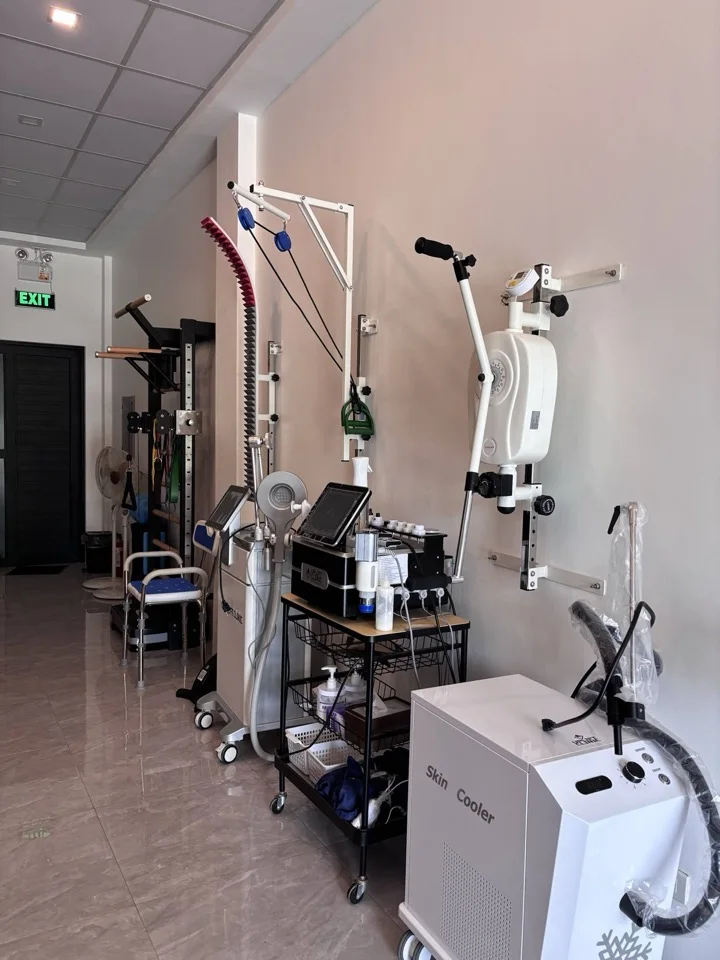
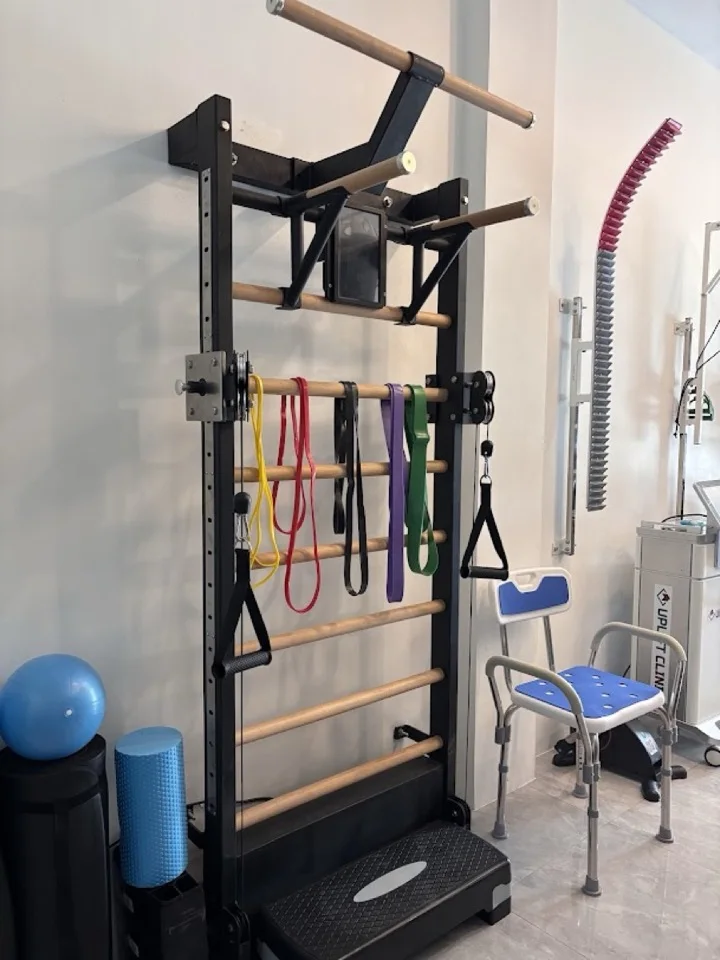
Your physician and rehabilitation team work from the same starting point: what is happening, what matters to you, and what can be done safely next.
After medical stabilization, stroke rehabilitation focuses on safe movement and useful function: transfers, walking, balance, arm and hand use, communication with the care team, and daily activities. A caregiver can join the assessment and help carry the plan into the home.
Bring the hospital summary, medication list, referrals, precautions, and any available imaging or therapy notes.
Tell the physician about falls, transfers, stairs, equipment, fatigue, and the activities that matter most.
If travel is difficult, ask about home physical therapy in Vigan City; availability is reviewed case by case.
The patient must first be medically evaluated and stabilized. Bring the hospital discharge summary, medication list, referrals, imaging reports, and precautions when available.
Assessment may include walking, balance, transfers, strength, arm or hand use, daily activities, fall risk, and caregiver priorities.
Yes. A family member or caregiver can help explain current difficulties, learn safety guidance, and understand the plan.
No. Progress varies with the type and severity of stroke, medical stability, timing, complications, participation, and other health factors.
Do not use this form. Sudden facial weakness, arm weakness, speech difficulty, severe headache, loss of balance, or worsening symptoms require emergency evaluation immediately.
Request an assessment for a medically stabilized stroke patient and tell us the best number for the family to reach.
Request a physician assessment