You have been cleared to begin
Your surgeon has provided instructions, restrictions, or a rehabilitation referral.
Bring your restrictions and records. We’ll start with a physician assessment and the appropriate next step.
Share your contact details.
We confirm availability.
Choose a consultation schedule.
Good rehabilitation respects the repair, the surgeon’s timeline, and the function you need to regain.
Your surgeon has provided instructions, restrictions, or a rehabilitation referral.
Pain, swelling, weakness, stiffness, or fear is making daily activity harder.
You want the plan tied to safe movement, strength, and return-to-activity goals.
No treatment is chosen from a form. The clinic starts with your history, current function, goals, and safety.
Review the main concern, medical history, relevant records, movement, function, and precautions.
Clarify priorities, explain realistic options and limits, and agree on the appropriate next step.
When appropriate, begin a supervised plan and reassess progress as your needs change.
Post-surgery rehabilitation connects the surgeon’s protocol with the patient’s actual movement and daily goals. At ProActiv Clinic, the physician first reviews the operation, timing, precautions, wound considerations, pain, strength, walking, transfers, and home support. The next step may be in-clinic rehabilitation, a home plan, further medical review, or referral depending on what is safe.
Patients and families may request an assessment after orthopedic, joint, spine, tendon, fracture, or other surgery when walking, stairs, dressing, bathing, lifting, sleep, work, or exercise remains difficult. The right timing depends on the operation and the surgeon’s instructions. Do not begin exercises that conflict with a written protocol or assume that a program for one operation is safe after another.
Bring the operative note when available, discharge instructions, rehabilitation protocol, clearance, follow-up plan, medication list, imaging, and any restrictions. Tell the clinic about wound changes, fever, swelling, new numbness, unusual pain, falls, or difficulty taking medication. Clear information helps the physician decide whether rehabilitation can begin or whether the surgical team needs to review the situation first.
After knee or hip surgery, rehabilitation may involve safe bed mobility, standing, transfers, walking, stairs, joint movement, strength, swelling management, and gradual return to daily tasks. Weight-bearing status, brace use, range limits, and movement precautions must come from the treating surgical team. A plan may start with simple functional goals, such as moving from a chair safely or walking to the bathroom, before progressing to more demanding activities.
Pain and stiffness are common parts of recovery, but their pattern matters. The clinician considers pain at rest and with movement, swelling, warmth, wound status, strength, gait, and fatigue. The aim is to build useful capacity without ignoring precautions. Recovery timelines vary and should not be promised from a general website description.
People recovering from other procedures may need help rebuilding endurance, posture, balance, or confidence after a period of bed rest. The assessment considers medical stability, activity tolerance, breathing or cardiovascular symptoms reported by the medical team, nutrition, sleep, and the demands of home and work. Rehabilitation is adjusted when a person tires quickly or has several health conditions.
Returning to work, sport, lifting, or household responsibilities is usually staged. The plan may use shorter bouts of activity, rest breaks, movement practice, and gradual loading. The clinician can help identify which task is safe to practice now and which should wait for surgical clearance. If ongoing pain is the main barrier, the pain rehabilitation pathway can be discussed while respecting the surgical protocol.
The physician reviews the operation and the instructions that govern recovery. The examination may include transfers, walking, balance, joint movement within permitted limits, strength, swelling, pain behavior, and the activities you need to perform. The clinician explains what can be addressed in rehabilitation, what requires the surgeon’s decision, and what warning signs should prompt urgent contact.
A rehabilitation plan can include supervised movement, strengthening, functional practice, education, pacing, and a home program. It may also include caregiver teaching when another person helps with transfers, stairs, or daily activities. The plan is reassessed as healing progresses. If the surgeon changes weight-bearing or range instructions, those changes take priority and should be shared with the rehabilitation team.
Contact the surgical team or seek urgent care for increasing redness or heat around an incision, drainage, wound opening, fever, severe or rapidly increasing swelling, sudden calf pain, chest pain, shortness of breath, new weakness, or a fall that may have injured the surgical area. These symptoms are not a reason to wait for the next therapy session. The clinic does not replace the surgeon, hospital, or emergency service.
Do not force a painful range of motion, remove a brace or dressing without instructions, change prescribed medication, or progress weight-bearing based only on online advice. Ask the treating team when uncertain. A slower plan with clear precautions can be safer than an aggressive program that conflicts with healing.
The physician consultation and assessment fee is ₱750, with a PWD and Senior Citizen rate of ₱600. Procedure and diagnostic charges are separate and explained before anything is done. ProActiv Clinic is at Unit 2, Ribeanca Building, Tamag Extension, Tamag, Vigan City, Ilocos Sur 2700. Hours are Monday through Wednesday and Friday through Saturday, 8:00 AM–8:00 PM; the clinic is closed Thursday and Sunday. Call or submit the request form to confirm availability.
Do I need surgeon clearance? Follow the surgeon’s instructions and bring any clearance or protocol; the rehabilitation plan must respect it. Can physical therapy start after knee or hip surgery? Often it is part of recovery, but timing and restrictions are operation-specific. What if pain is delaying recovery? Ask for assessment so the clinician can separate expected recovery discomfort from a concern requiring surgical review. Can someone come with me? Yes, a caregiver can help explain home needs and learn safe assistance.
Seek emergency care for new neurological symptoms, severe breathing difficulty, chest pain, uncontrolled bleeding, or any immediate danger. A request for post-surgery rehabilitation is for appointment-based care after the person is medically appropriate for an assessment.
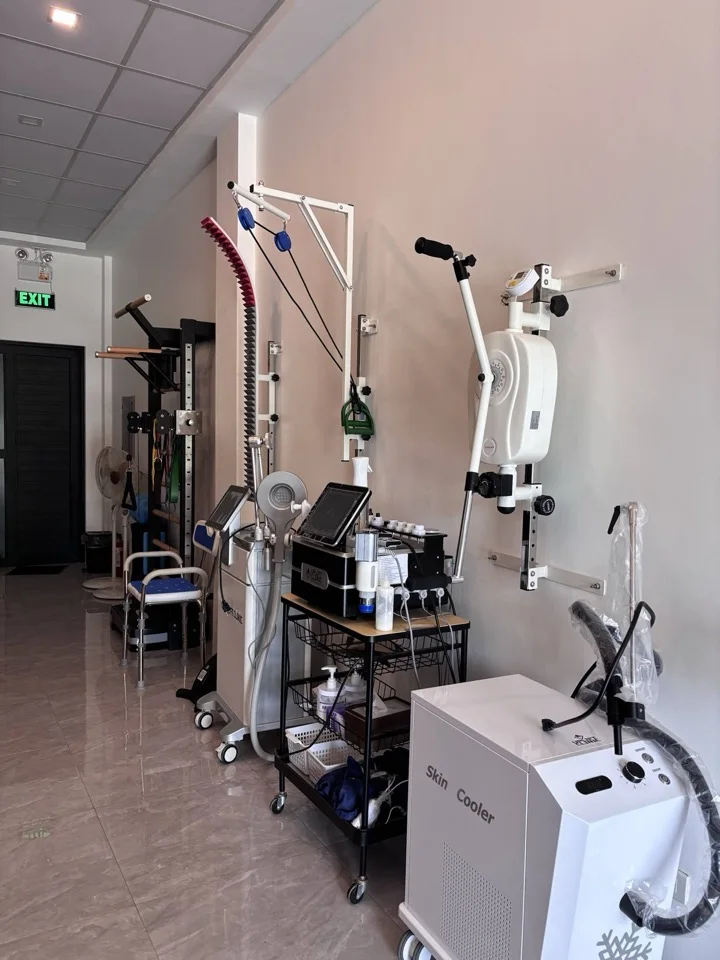
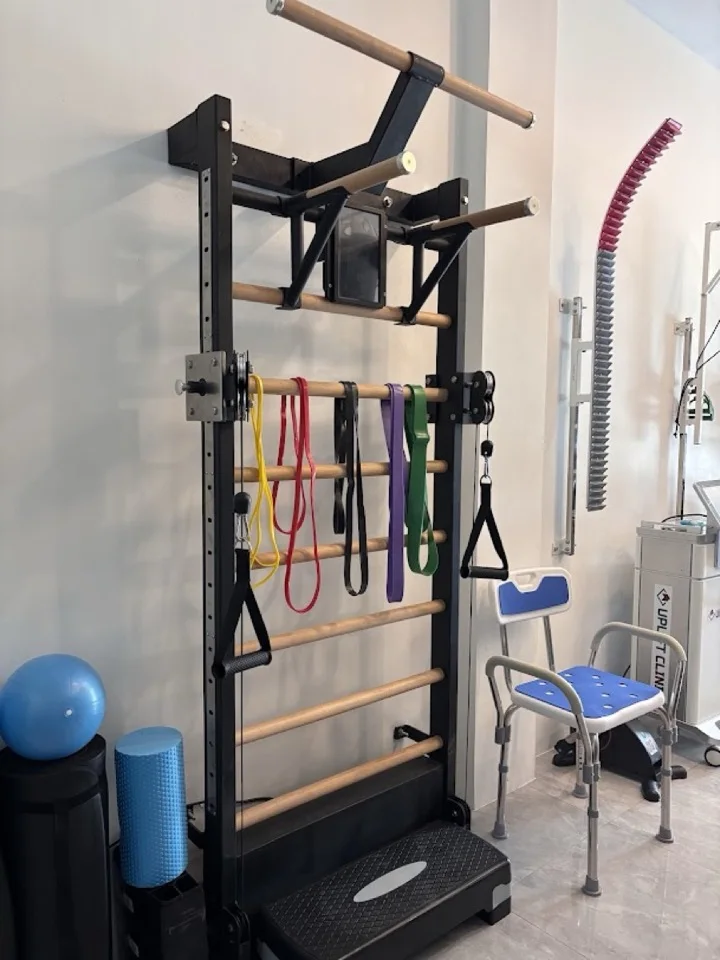
Your physician and rehabilitation team work from the same starting point: what is happening, what matters to you, and what can be done safely next.
Post-surgery rehabilitation follows the surgeon’s precautions, weight-bearing instructions, wound considerations, and recovery timeline. The assessment connects those instructions to movement, strength, pain, walking, transfers, and daily goals.
Bring operative notes, discharge instructions, clearance, restrictions, medication details, and follow-up recommendations.
Contact the surgical team urgently for fever, increasing redness or drainage, wound opening, chest pain, or breathing difficulty.
When pain is limiting recovery, the pain rehabilitation pathway can be discussed alongside surgical precautions.
Follow your surgeon’s instructions. Bring any rehabilitation referral, clearance, protocol, precautions, operative notes, or follow-up recommendations you received.
Patients may request assessment after orthopedic, spine, joint, tendon, fracture, or other surgery. The clinic confirms whether the case and timing are appropriate.
Yes. The assessment and rehabilitation plan should respect the surgeon’s precautions, weight-bearing instructions, range limits, wound considerations, and timeline.
Contact the surgical team or seek urgent medical care for increasing redness, heat, drainage, fever, wound opening, severe swelling, chest pain, or shortness of breath.
No. Timelines vary with the operation, tissue healing, complications, medical history, restrictions, and individual response. Progress is reviewed during care.
Request an assessment and bring the surgeon’s instructions so the clinic can plan the safest appropriate next step.
Request a physician assessment