Daily tasks are getting harder
Pain is affecting sleep, work, walking, lifting, driving, exercise, or family activities.
For pain affecting your walking, work, sleep, exercise, or daily routine.
Share your contact details.
We confirm availability.
Choose a consultation schedule.
The same pain label can have different causes. The first visit is designed to clarify the problem before the plan begins.
Pain is affecting sleep, work, walking, lifting, driving, exercise, or family activities.
Rest or short-term relief has not answered why the problem comes back.
You want a medical assessment before starting or changing rehabilitation.
No treatment is chosen from a form. The clinic starts with your history, current function, goals, and safety.
Review the main concern, medical history, relevant records, movement, function, and precautions.
Clarify priorities, explain realistic options and limits, and agree on the appropriate next step.
When appropriate, begin a supervised plan and reassess progress as your needs change.
Pain rehabilitation starts with understanding the pattern of pain and how it affects movement, sleep, work, exercise, and home life. At ProActiv Clinic, a physician assesses the concern before recommending a rehabilitation pathway. This can help people looking for a back pain doctor in Vigan, physical therapy for sciatica, a knee pain consultation, or non-surgical guidance for a sports or work-related injury.
People ask about lower back pain, neck pain, sciatica-like leg symptoms, recurring muscle pain, shoulder stiffness, knee arthritis symptoms, hip pain, ankle pain, and pain that follows work or sport. A tendon problem such as tennis elbow, Achilles tendon pain, or plantar heel pain may also limit activity. Numbness, tingling, or hand weakness can change the assessment because the clinician may need to consider nerve involvement. The name of a condition does not replace an examination; similar symptoms can have different causes and different precautions.
Tell the clinic what you cannot do comfortably. Examples include sitting through a work shift, lifting a child, walking on uneven ground, reaching overhead, gripping tools, climbing stairs, sleeping on one side, or returning to training. This functional detail helps the physician decide what needs attention first and whether exercise-based rehabilitation, diagnostic review, a focused service, or another referral is appropriate.
Back pain may be related to movement, load, deconditioning, a recent injury, or an irritated structure. Sciatica-type symptoms can include pain, tingling, or altered sensation traveling into the buttock or leg. Neck pain may affect turning, work posture, sleep, or arm use. A consultation considers the timing of symptoms, strength, sensation, reflexes when relevant, movement, and warning signs. The aim is to understand what can be managed safely and what requires further medical evaluation.
Patients often ask whether physical therapy or surgery is better for a slipped disc, what doctor treats a pinched nerve, or whether they need imaging for lower back pain. There is no universal answer. The physician reviews the clinical findings, previous treatment, severity, functional effect, and any red flags. Testing is considered when it can answer a specific question. Rehabilitation may include education, graded movement, strengthening, pacing, and changes to aggravating tasks, with progress reviewed rather than assumed.
Knee pain can make stairs, squatting, walking, or getting out of a chair difficult. Hip pain may affect weight-bearing, sitting, or sleep. Shoulder pain can limit dressing, reaching, lifting, or work overhead. A stiff shoulder, tendon irritation, joint arthritis, or an injury may need different loading and mobility choices. Elbow, wrist, and hand symptoms—including tingling or suspected carpal tunnel symptoms—may also require a careful history and examination.
A pain plan does not assume that every painful joint needs a procedure. It may focus on restoring tolerable movement, building capacity gradually, modifying a task, and improving confidence. When the clinical question concerns a tendon or other superficial structure, MSK ultrasound may be discussed. When symptoms suggest nerve or muscle involvement, EMG-NCV testing may be considered if it is clinically relevant.
A sudden ankle sprain, gym injury, muscle strain, tendon complaint, or repeated work movement can create uncertainty about how much activity is safe. Assessment considers the injury mechanism, swelling, bruising, load tolerance, movement, strength, footwear or equipment, and the demands of the activity. A return-to-sport or return-to-work discussion should be gradual and based on function, not a promised date. Temporary changes in workload can be part of the plan.
Rehabilitation may include a staged home program, supervised exercises, technique or task education, recovery planning, and agreed markers for increasing activity. Pain during exercise is discussed in context; severe, escalating, or unusual symptoms should be reported. The clinic can also explain when a concern needs urgent assessment, imaging, surgical review, or a different specialist.
Bring imaging reports, prescriptions, previous therapy notes, and referrals when available. The physician asks when symptoms began, whether they spread, what affects them, what you have tried, and how they affect work and daily tasks. The physical examination may include movement, strength, balance, sensation, functional tasks, and comparison between sides when appropriate. The clinician then explains likely contributors, reasonable options, limitations, and what should happen next.
The goal is not to label every ache or promise instant pain relief. It is to make the next decision clearer. That might be a supervised rehabilitation plan, a home program, monitoring, an assessment of another service, or referral for further evaluation. Outcomes vary with the condition, duration, health factors, sleep, workload, participation, and response to care. Follow-up helps adjust the plan when the initial approach is not enough.
The physician consultation and assessment fee is ₱750, with a PWD and Senior Citizen rate of ₱600. Procedure or diagnostic costs are separate and explained before anything is done. ProActiv Clinic is at Unit 2, Ribeanca Building, Tamag Extension, Tamag, Vigan City, Ilocos Sur 2700. It is open Monday through Wednesday and Friday through Saturday, 8:00 AM–8:00 PM, and closed Thursday and Sunday. Contact the clinic to confirm availability for a pain rehabilitation consultation in Vigan.
Seek urgent care for major trauma, suspected fracture, fever with a hot swollen joint, rapidly worsening weakness, new loss of bladder or bowel control, chest pain, difficulty breathing, or sudden neurological symptoms. What doctor treats back pain? A rehabilitation physician can assess function and guide a safe plan, with referral when needed. Can physical therapy help sciatica? It may help some people after assessment, but the cause and safety features matter. Is non-surgical treatment suitable for knee or shoulder pain? It may be one option, depending on findings, goals, and medical history.
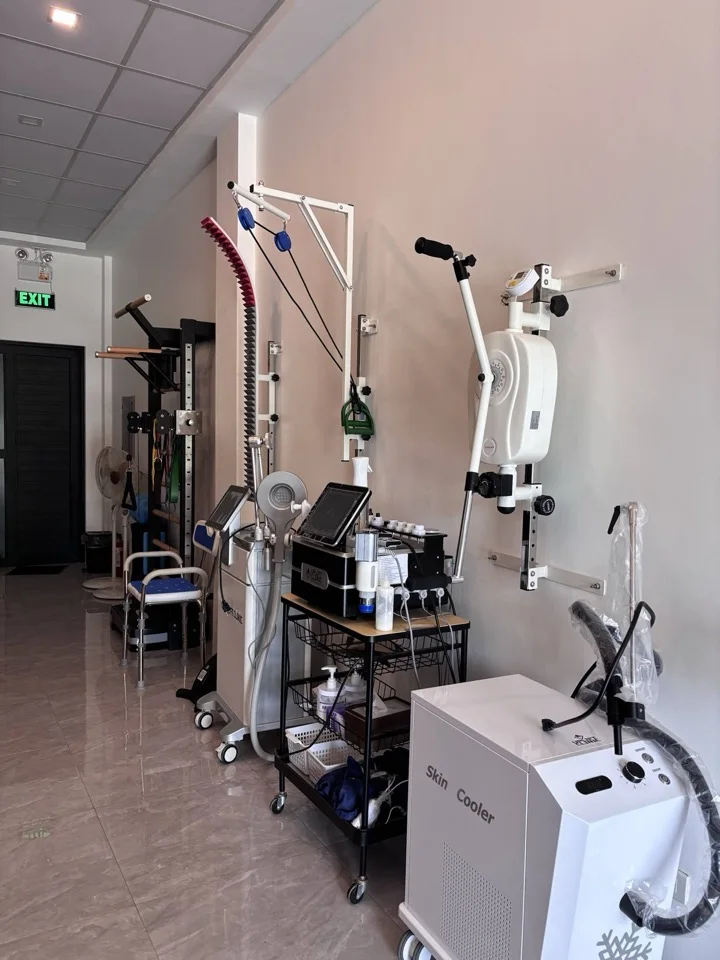
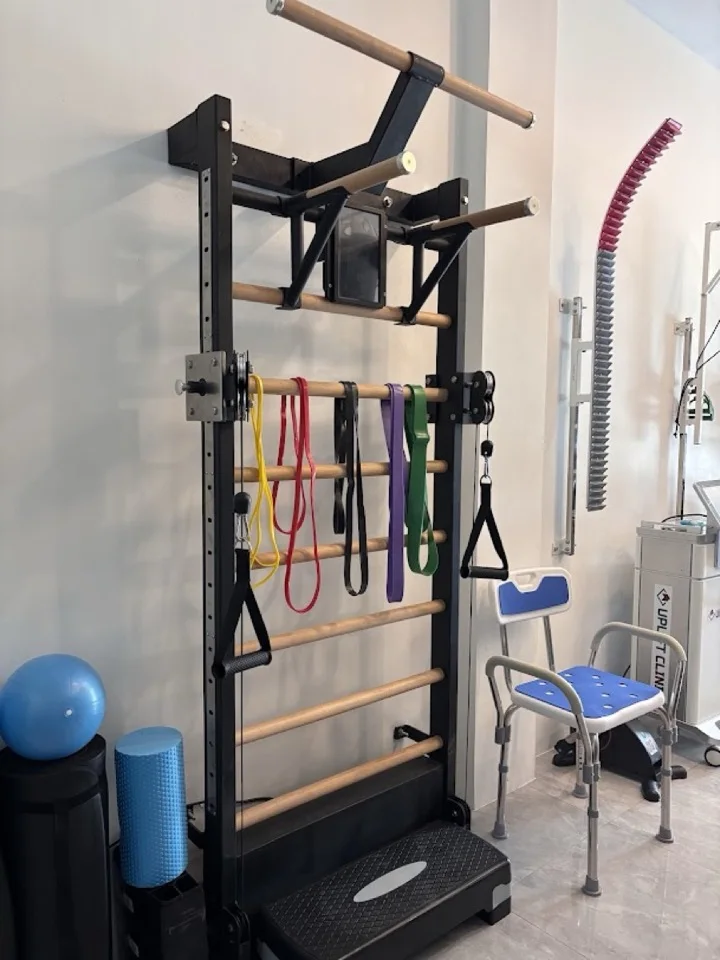
Your physician and rehabilitation team work from the same starting point: what is happening, what matters to you, and what can be done safely next.
Pain rehabilitation starts by identifying the pattern, likely contributors, functional limits, and safety concerns. The physician then explains whether exercise-based rehabilitation, a focused option such as shockwave therapy, diagnostic review, referral, or another plan is appropriate.
Bring imaging, prescriptions, prior therapy notes, and a short description of what makes symptoms better or worse.
Recommendations may address strength, mobility, pacing, work, sleep, and daily activity rather than pain alone.
MSK ultrasound or EMG-NCV is considered only when it can answer a relevant clinical question.
Patients commonly ask about back, neck, shoulder, knee, hip, joint, sports, work-related, or recurring pain. The appropriate pathway depends on assessment.
Not automatically. A physician first assesses the concern, medical history, function, and safety factors before recommending the appropriate next step.
No. Outcomes vary by diagnosis, severity, timing, health factors, and participation. The clinic explains reasonable options and limits after assessment.
Bring previous imaging, prescriptions, laboratory results, therapy records, or referral notes when available.
Seek urgent assessment for major trauma, suspected fracture, fever with a hot swollen joint, loss of bladder or bowel control, rapidly worsening weakness, chest pain, or difficulty breathing.
Tell us how pain is limiting you. We will contact you to confirm a physician assessment and the next available schedule.
Request a physician assessment